
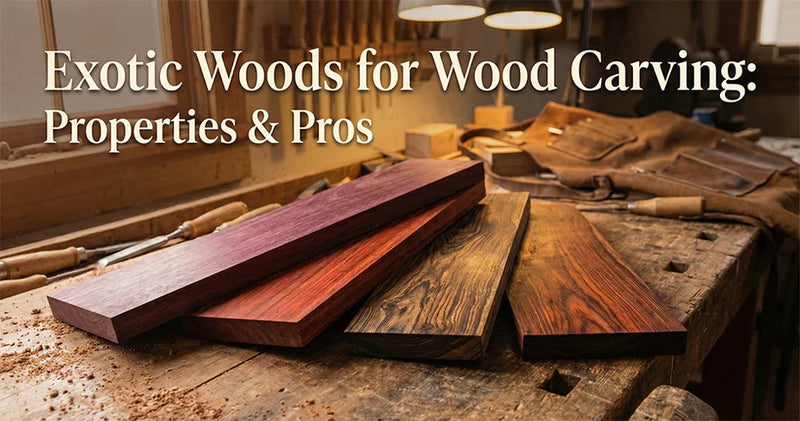
Exotic Woods for Wood Carving: Properties & Pros
💎 TLDR ● Exotic wood usually means any non-local species, so what counts as “exotic” depends on where the carver lives...
Driftwood Carving: A Completed Guide
Driftwood has distinctive shapes, textures, and natural imperfections that make every project unique. Learn how to assess the material and identify pieces with suitable carving ...
Toxic Wood: Types of Dangerous Wood for Carving
Learn which wood species can be hazardous for carving and how to work with them safely. This guide explains the health risks of toxic woods, common symptoms, and essential safet...
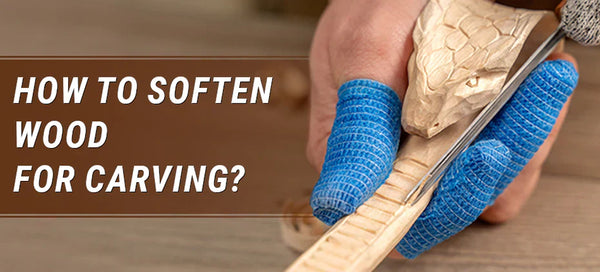
How to Soften Wood for Carving?
Learn how to soften wood for carving using proven methods that improve workability and reduce carving effort. Discover practical techniques, helpful tips, and the best ways to p...
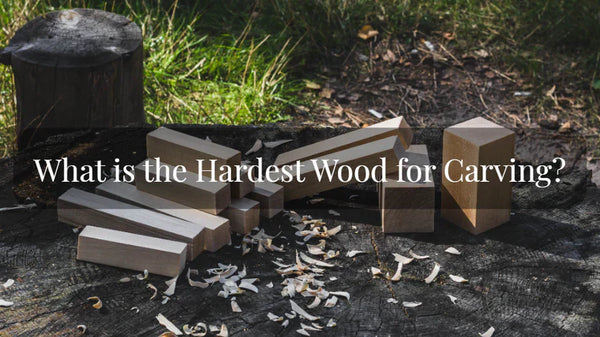
What is the Hardest Wood for Carving?
Discover the hardest woods for carving and learn how wood hardness affects your carving experience. Explore Janka hardness ratings, compare popular wood species, and choose the ...
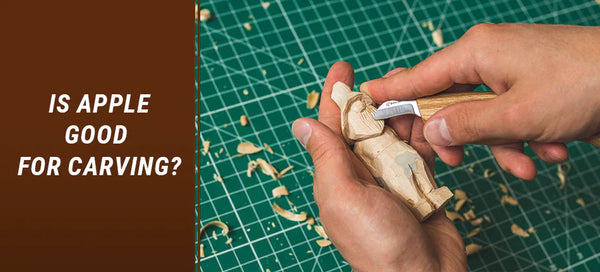
Is Apple Good for Carving?
Apple wood is valued for its warm color, fine grain, and solid structure, but it also has specific limitations. This guide explains its main qualities and the projects it may suit.
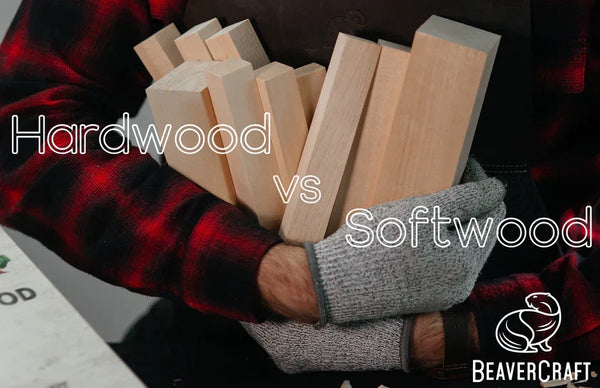
Hardwood vs. Softwood | BC Series #8
Discover the key differences between hardwood and softwood for wood carving and woodworking. Compare their characteristics, advantages, and best uses to choose the right wood fo...
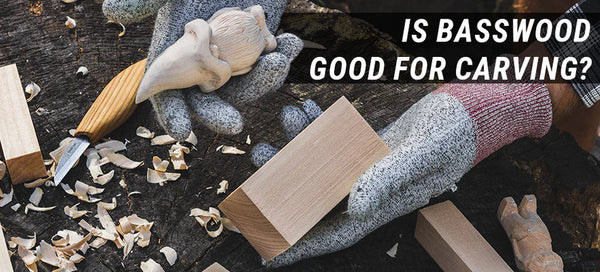
Is Basswood Good for Carving?
Learn why basswood is one of the most popular woods for carving and whittling. This guide explains different basswood types, key advantages and downsides, green vs. dry basswood...
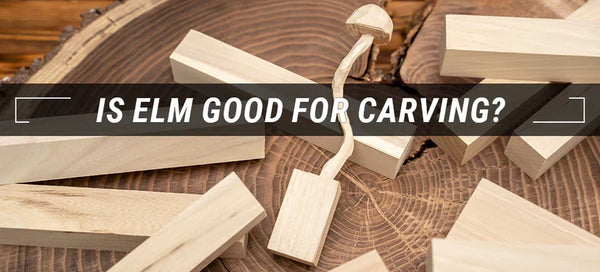
Is Elm Good for Carving?
Wondering if elm is a good wood for carving? Discover its grain, hardness, workability, and durability to understand when elm is the right choice for carving, whittling, and fun...